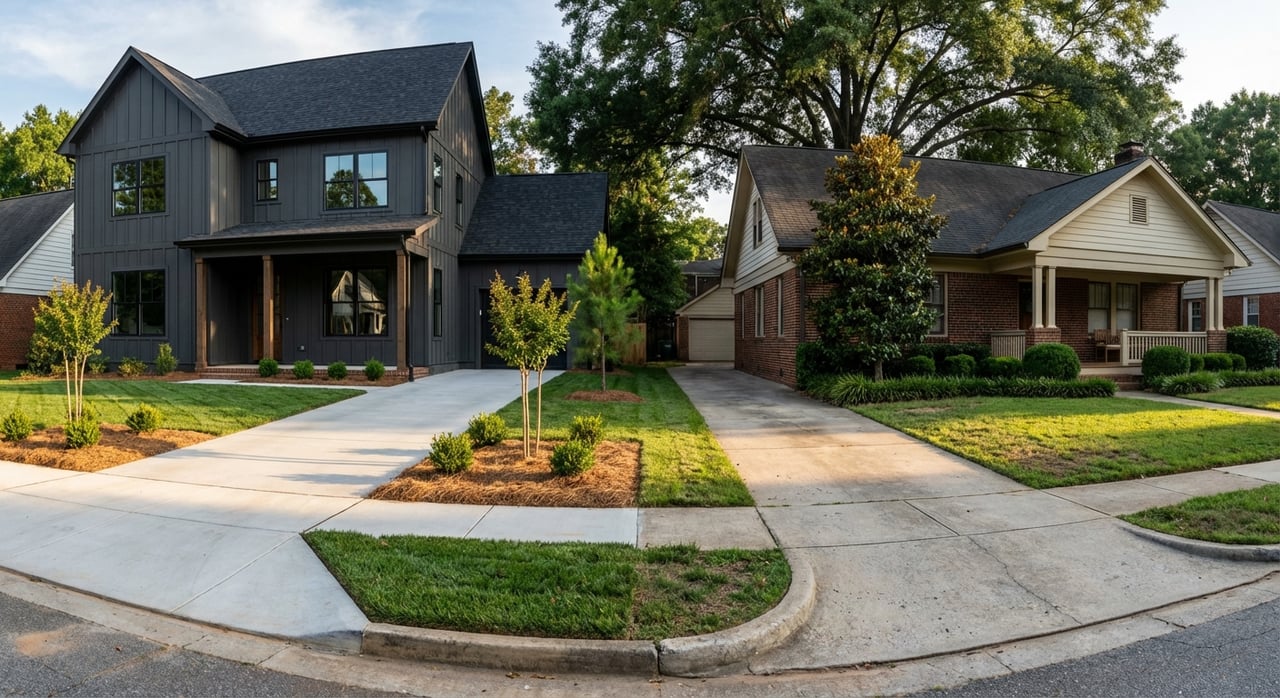
Trying to decide between a brand‑new build or a resale home in Sanford? You are not alone. The choice affects your timeline, monthly budget, and how much work you want to take on after closing. In this local guide, you will see the real tradeoffs, learn how taxes, utilities, and HOAs pencil out in Lee County, and get practical steps to compare options with confidence. Let’s dive in.
Sanford market snapshot
Sanford and Lee County continue to add housing. The city operates a centralized permitting portal and posts monthly permit reports that document real activity. The January 2026 report lists multiple new single‑family and townhome permits with application and issuance dates, a helpful signal that builders are active and timelines are trackable. You can browse the portal for process details and the recent permit reports for evidence of volume and timing at the city’s Online Permits, Plan Reviews, and Inspections page and the monthly permit report archive.
Pricing snapshots you see on national platforms can differ because each uses a unique data set and method. Treat those site estimates as starting points and lean on current MLS comps for the most accurate local pricing when you are ready to write an offer.
New construction in Sanford
What you get
- Modern codes and efficiency. New homes are built to today’s standards, which can lower energy use and reduce first‑year maintenance. Ask whether your builder participates in programs like ENERGY STAR for New Homes and request the energy rating paperwork.
- Builder warranties. Many builders follow a 1‑year workmanship, 2‑year systems, and 10‑year structural coverage pattern. Confirm the exact terms and whether coverage is insurance‑backed through a third party such as 2‑10 Home Buyers Warranty.
- Predictable finishes and quick‑move options. Production builders often offer packaged selections and quick‑move‑in homes so you can plan your budget. For local examples, review community pages like Dream Finders’ Brantley Place in Sanford (Brantley Place overview) and D.R. Horton’s Townes at Laurel Oaks (see community details).
Tradeoffs to plan for
- Timeline and process. A new build depends on permitting, inspections, and construction schedules. Sanford runs permitting through its CSS portal, and the January 2026 report shows application to issuance intervals ranging from days to weeks depending on project type. Get your timeline and remedies in writing. You can see local process touchpoints at the city’s permit portal and scan recent approvals in the permit report archive.
- Lot size and HOAs. New townhomes and many production communities use smaller lots. HOAs are common for townhomes and amenity neighborhoods. Request the full CC&Rs, current budget, reserve study, and rules before you sign.
- Warranty details and builder strength. Verify who services warranty claims, response times, and whether coverage is backed by an insurer like 2‑10. Ask for the full warranty packet.
Resale homes in Sanford
What you get
- Immediate move‑in and proven surroundings. You can evaluate landscaping, drainage, traffic patterns, and daily rhythms before you offer. In many cases you can negotiate on price, appliances, or credits depending on condition and competition.
- Established neighborhoods and character. Older homes often have mature trees and yards that would take years to grow from scratch.
Tradeoffs to plan for
- Repairs and updates. Roofs, HVAC, plumbing, and electrical components may be at or near end of life. Budget for a full inspection and trade‑specific inspections if needed. Use quotes to understand near‑term costs.
- Energy efficiency. Older systems and insulation can increase monthly bills compared with new construction. Use ENERGY STAR’s new homes guidance as a baseline for what modern construction targets and ask your inspector about upgrade options.
Costs to compare in Sanford
Look at the full picture, not just the sale price. Here are the recurring line items to model for each home you consider:
- Mortgage and closing costs. Mechanics are similar for new and resale. If a builder advertises incentives, get the details and timing in writing. You can review how large builders present mortgage incentives on community pages like The Townes at Laurel Oaks.
- Property taxes. The City of Sanford lists a FY 2024–25 city tax rate of $0.535 per $100 of assessed value. Review the current city information on the Sanford Tax Information page. Lee County’s published summary rate is about $0.65 per $100 on local economic development pages. Confirm the current adopted county rate on Grow Sanford’s taxes and incentives page.
- HOA dues and assessments. Newer neighborhoods, especially townhomes, typically have HOAs. Request CC&Rs, bylaws, budget, reserve study, insurance policies, and recent meeting minutes.
- Utilities and connection fees. Sanford’s utilities are provided regionally through the TriRiver Water arrangement. Confirm whether your lot is on public water and sewer or requires well and septic, and ask about any connection or meter fees. See city updates and utility context in the Sanford Civic Alerts.
- Insurance and flood. Flood insurance needs depend on your parcel’s FEMA designation. Run the address through FEMA’s Flood Map Service Center and ask your insurance agent for a quote.
- Maintenance and improvements. For budgeting, many homeowners use a simple rule of thumb like setting aside about 1 percent of the home’s value per year for upkeep. It is a heuristic, not a guarantee, but survey data on homeowner spending can help you set a conservative target. See a summary of typical owner costs here: the real cost of owning a home.
Permits, utilities, and schools
- Permits and inspections. For new builds, ask to see active permit IDs, inspection logs, and the final Certificate of Occupancy. For resale, request permits for any major work completed. You can verify records through Sanford’s permit portal and browse the monthly reports for timing examples.
- Utilities. Confirm whether the property connects to TriRiver public water and sewer or uses well and septic. The Civic Alerts page includes utility service updates and context.
- Schools. New‑home communities often list nearby schools, but assignments can change as the district grows. Always confirm the current assignment with Lee County Schools or the seller before you rely on any listing information.
Decision checklist
Use this quick list to compare a new build with a resale home side by side:
- Confirm your all‑in monthly housing cost: mortgage principal and interest, property taxes, insurance, HOA dues, utilities, and a maintenance reserve. The city’s current tax rate is on the Sanford Tax Information page, and county context is posted on Grow Sanford.
- Title and survey. Order or request a recent boundary survey. For new builds, ask if the builder provides a final survey at closing.
- Utilities. Verify water and sewer provider, expected monthly costs, and any connection or meter fees using the city’s Civic Alerts for context.
- Permits and inspections. For new construction, request permit IDs, inspections passed, and the CO. For resale, ask for permits and inspection reports for work completed in the past decade. Verify through the city permit portal.
- Warranty. Get any builder warranty in writing, confirm terms and exclusions, and ask whether it is backed by a third party like 2‑10.
- HOA documents. Obtain CC&Rs, financials, reserve study, insurance, meeting minutes, and any pending special assessments.
- Energy and mechanicals. For new homes, request specs for HVAC, insulation, windows, and water heating plus any ENERGY STAR certifications. For resale, collect ages and service records for roof, HVAC, water heater, and appliances.
- Flood and site risk. Run a parcel check on FEMA’s Flood Map Service Center and review any site easements.
Questions to ask
Questions for a builder
- What are the exact warranty terms, exclusions, and who services claims after closing? Is coverage insurance‑backed, for example through 2‑10?
- What is the realistic schedule from contract to Certificate of Occupancy and what milestones are contractually binding? Share recent local timing examples from the permit report archive.
- Which lender incentives are available and are they tied to a preferred lender? Get details in writing. See how a national builder presents program details on The Townes at Laurel Oaks.
- What are the HOA dues, included services, and history of assessments? Provide the CC&Rs, budget, and reserve study.
Questions for a listing agent on a resale
- Can you provide permits and inspection logs for major work completed within the past 10 years? I will verify through the city’s permit portal.
- How old are the roof, HVAC, water heater, plumbing, and electrical systems? Are there service records or warranties that transfer?
- Is the property in a FEMA flood zone or subject to drainage easements? I will run the address in the FEMA Flood Map Service Center.
Which path fits you
Choose new construction if you want modern efficiency, a defined build plan, and limited near‑term maintenance. Pick resale if you value immediate occupancy, a larger lot or established setting, and are comfortable budgeting for updates. Either way, compare total monthly cost and risk, not just list price. We can help you stack two or three homes side by side to see the true apples‑to‑apples picture.
When you are ready to tour Sanford homes or discuss selling first and buying next, connect with Sell Moore Homes powered by EXP. Our team brings a clear process, local insight, and full‑service representation, and we will help you choose the path that best fits your budget and timeline.
FAQs
What are typical property tax rates in Sanford and Lee County?
- The City of Sanford lists a FY 2024–25 rate of $0.535 per $100 assessed value, and Lee County posts a summary rate near $0.65 per $100, which you should confirm on the Sanford Tax Information page and Grow Sanford.
How long does new construction usually take in Sanford?
- Timelines vary by lot readiness and permit complexity, with recent monthly reports showing permit issuance ranging from days to weeks, so review the permit portal and report archive and get a written schedule from your builder.
Which utilities serve new neighborhoods in Sanford?
- Sanford participates in the regional TriRiver Water arrangement for public water and sewer, so verify service and any connection or meter fees and check updates on the city’s Civic Alerts.
Do new homes in Sanford come with warranties?
- Many builders offer a 1‑year workmanship, 2‑year systems, and 10‑year structural warranty pattern, often insurance‑backed by third parties like 2‑10 Home Buyers Warranty, so confirm exact terms in writing.
How do I check flood risk for a Sanford address?
- Enter the property in FEMA’s Flood Map Service Center to see its zone and discuss insurance needs with your provider.
How can I confirm school assignments for a Sanford property?
- Ask the seller or builder for current school assignment details and verify directly with Lee County Schools since boundaries can change as the district grows.